
Sewer & Drains
Sewer Backing Up Into the Basement During Heavy Rain: What to Do
By Hydrosphere PlumbersFebruary 5, 2026 7 min read
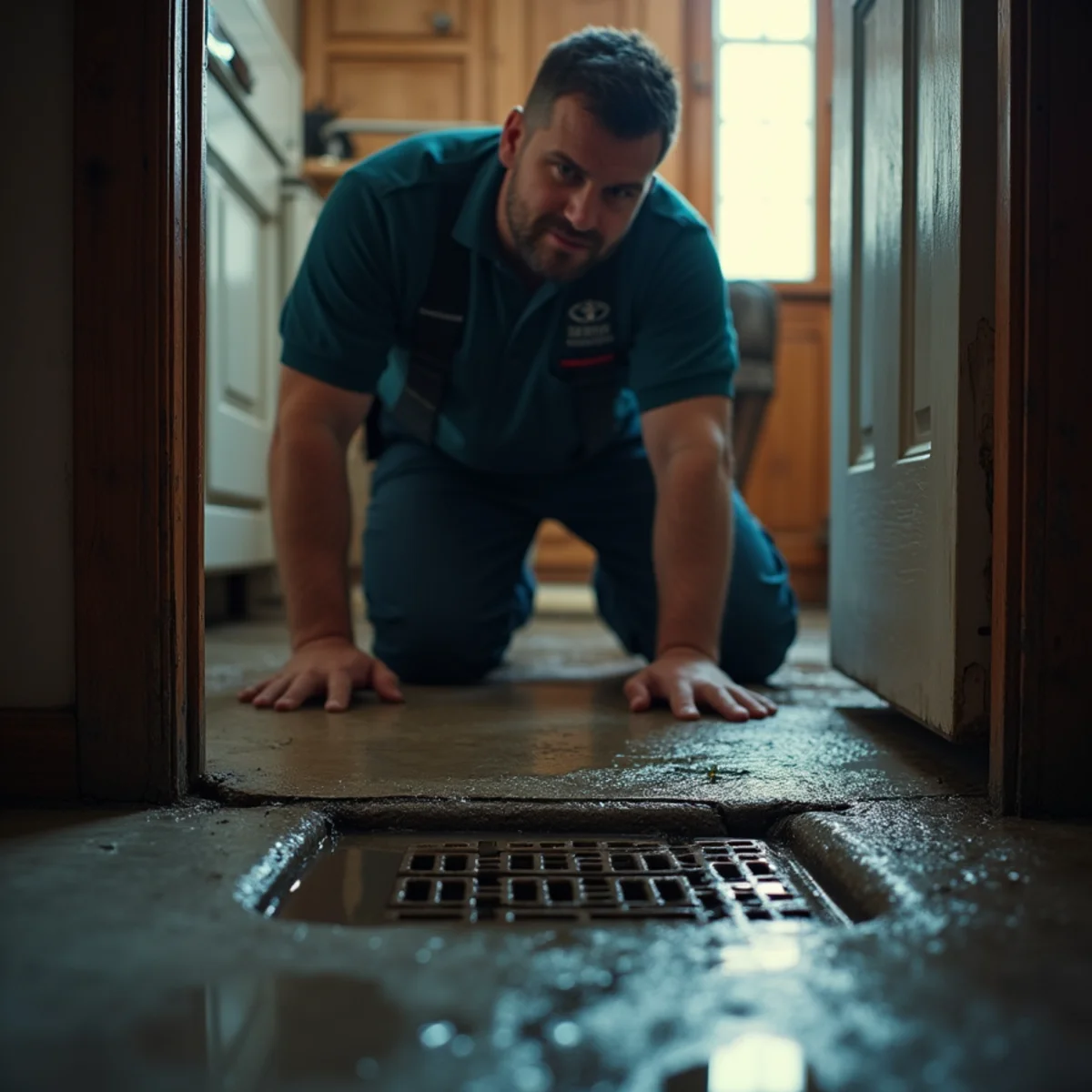
If sewage is backing up into your basement during heavy rain, stop using all water in the house immediately, keep people and pets out of the contaminated area, avoid any wet electrical equipment, and call a plumber. Do not try to clean sewage without protection. Once the storm passes, a camera inspection of your sewer lateral plus a backwater valve and a backup sump pump are what prevent a repeat.
Heavy rain and basement sewage go together in the Rahway River basin. When Hurricane Ida hit in September 2021, Cranford alone had more than 400 homes pumped out, and Springfield and the other river towns flooded badly too. A sewer backup during a storm is frightening and messy — but there is a clear order of operations that keeps it from getting worse.
What to do the moment it starts
- 1Stop using all water in the house — no flushing, no sinks, no laundry. Every gallon you send down adds to the backup.
- 2Keep people and pets out of the contaminated area. Sewage is a health hazard.
- 3Do not touch electrical equipment, outlets or appliances in or near the water.
- 4If it is safe, move valuables up off the basement floor.
- 5Photograph the backup and any damage for your insurer, from a safe distance.
- 6Call a plumber who answers 24/7 and can respond during the storm.
Do not attempt to clean up sewage without proper protection, and do not run a shop vac or pump across wet electrical hazards. Contaminated water needs safe handling; ask who will document moisture, removal and drying under recognized water-damage procedures.
Why it happens during heavy rain
A storm-driven backup usually comes from one of two causes. Either your sewer lateral is already restricted — by roots, buildup or a structural defect — and the extra water is the last straw, or the municipal system itself is overwhelmed and pushes water back toward the lowest opening in your home, which is almost always a basement floor drain. Older Westfield-area homes with clay or cast iron laterals under mature trees are the most vulnerable, because the lateral is already compromised before the rain arrives.
Step one after the storm: a camera inspection
Once things are dry, the right first move is a sewer camera inspection. It shows whether your lateral is clear or restricted, and if restricted, whether the cause is roots you can maintain, buildup you can jet, or a crack, belly or collapse that needs repair. This matters because the fix is completely different for each — and it tells you whether the water came from your lateral or from the municipal main, which affects who is responsible.
The two upgrades that stop a repeat
A backwater valve on your sewer lateral
A backwater valve is a check valve installed on your lateral that lets waste flow out but closes automatically to stop the sewer from flowing back into your home when the system is overwhelmed. For a home that has backed up before — common in Cranford and Springfield near the river — it is often the single most effective protection. We assess whether your lateral is a good candidate and install it to code.
A backup sump pump
If your basement also takes on groundwater, a sump pump is your defense — but the primary pump often fails exactly when the power goes out mid-storm. A battery or water-powered backup pump keeps pumping when the primary cannot. Many river-town homes benefit from both a backwater valve (for the sewer side) and a backup pump (for the groundwater side).
Does insurance cover it?
Homeowners insurance can cover a sewer backup, but it is frequently a separate endorsement rather than part of the base policy, so coverage varies by policy, cause and exclusions. Document everything with dated photos, keep the plumber’s report and invoice, and ask your insurer before discarding materials. The insurer decides coverage; your job is to preserve the evidence. Our detailed guide on insurance and sewer backups in New Jersey walks through what to keep.
When to call
A sewer backup is an emergency — call right away, especially if it is active during a storm. Hydrosphere Plumbers answers 24/7 at (858) 363-8298 and covers Westfield, Cranford, Springfield and the surrounding Union County towns. We will help you stabilize the situation, then inspect the lateral and lay out the backwater valve and backup pump options that keep the next storm out of your basement.