
Sump Pumps
Sump Pump Not Working? 7 Checks Before the Next Storm
By Hydrosphere PlumbersMay 6, 2026 6 min read
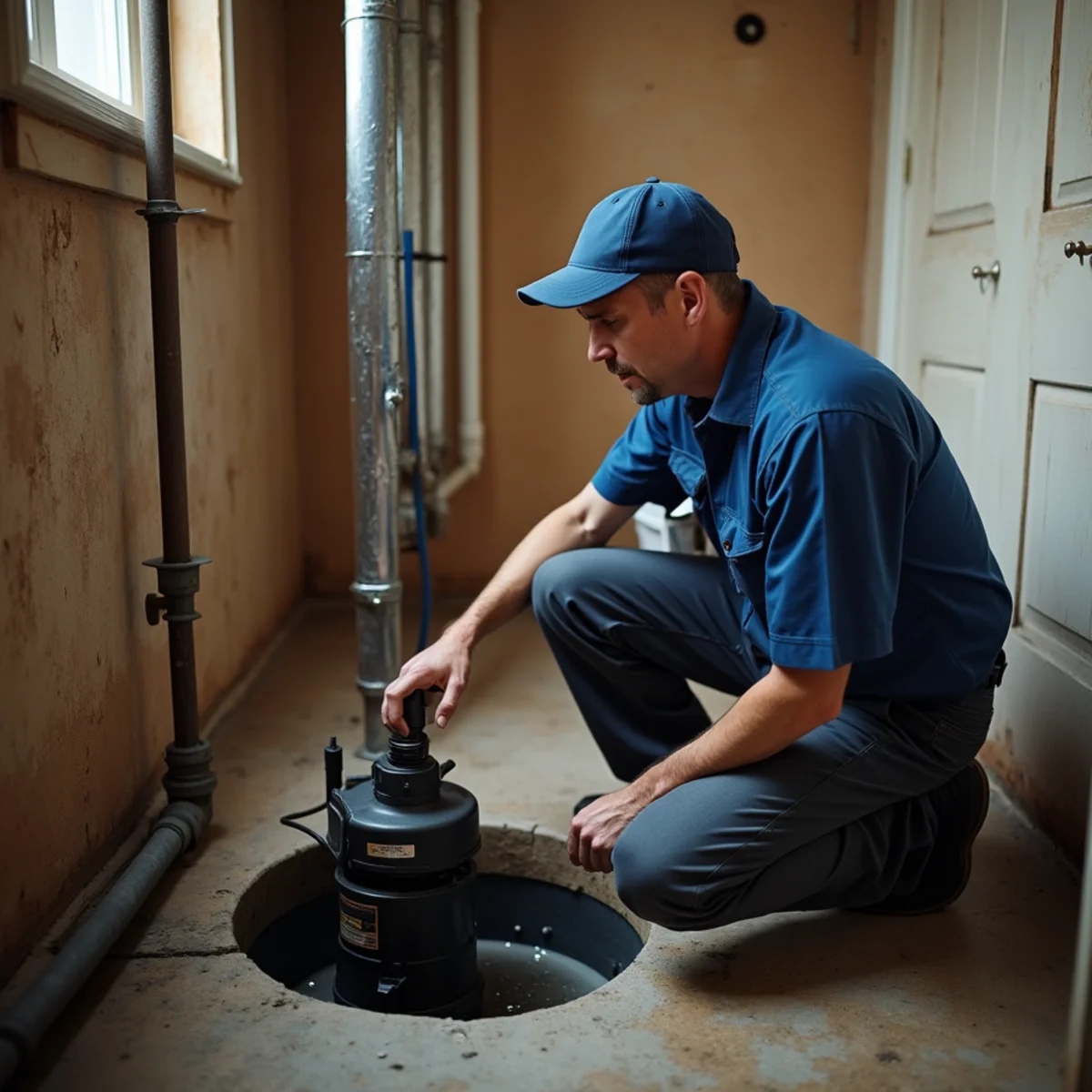
If your sump pump is not working, run these checks in order: confirm it has power, make sure the float switch moves freely, pour water into the basin to test that it turns on and pumps, check the check valve and discharge line for blockage or freezing, clean any debris from the basin, listen for grinding, and note the pump’s age. Test it before every wet season — a pump that fails during a storm, or when the power goes out, is what floods a basement.
The worst time to discover your sump pump has failed is at 2 a.m. during a nor’easter with water rising over the basement floor. In the Rahway basin — Springfield and Cranford especially — that scenario is common enough that testing the pump before the wet season is one of the highest-value ten-minute jobs a homeowner can do. Here are the seven checks to run while it is still dry.
1. Confirm it has power
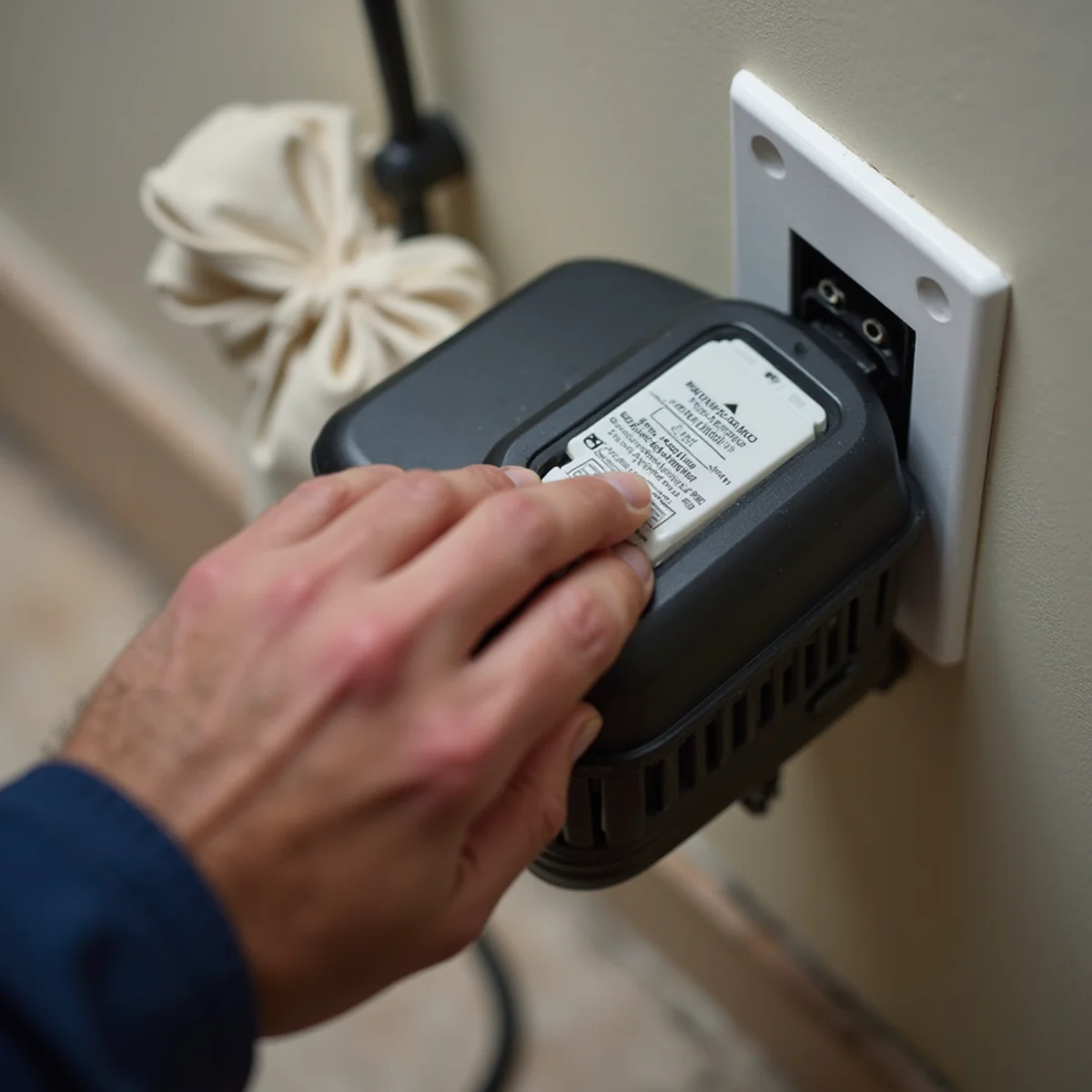
Start with the obvious: is the pump plugged in, and is the outlet live? Sump pumps are often on a GFCI outlet that can trip without anyone noticing. Reset the GFCI and check the breaker. Many pumps have a piggyback plug — make sure both the pump and the float switch plug are seated fully.
2. Check the float switch
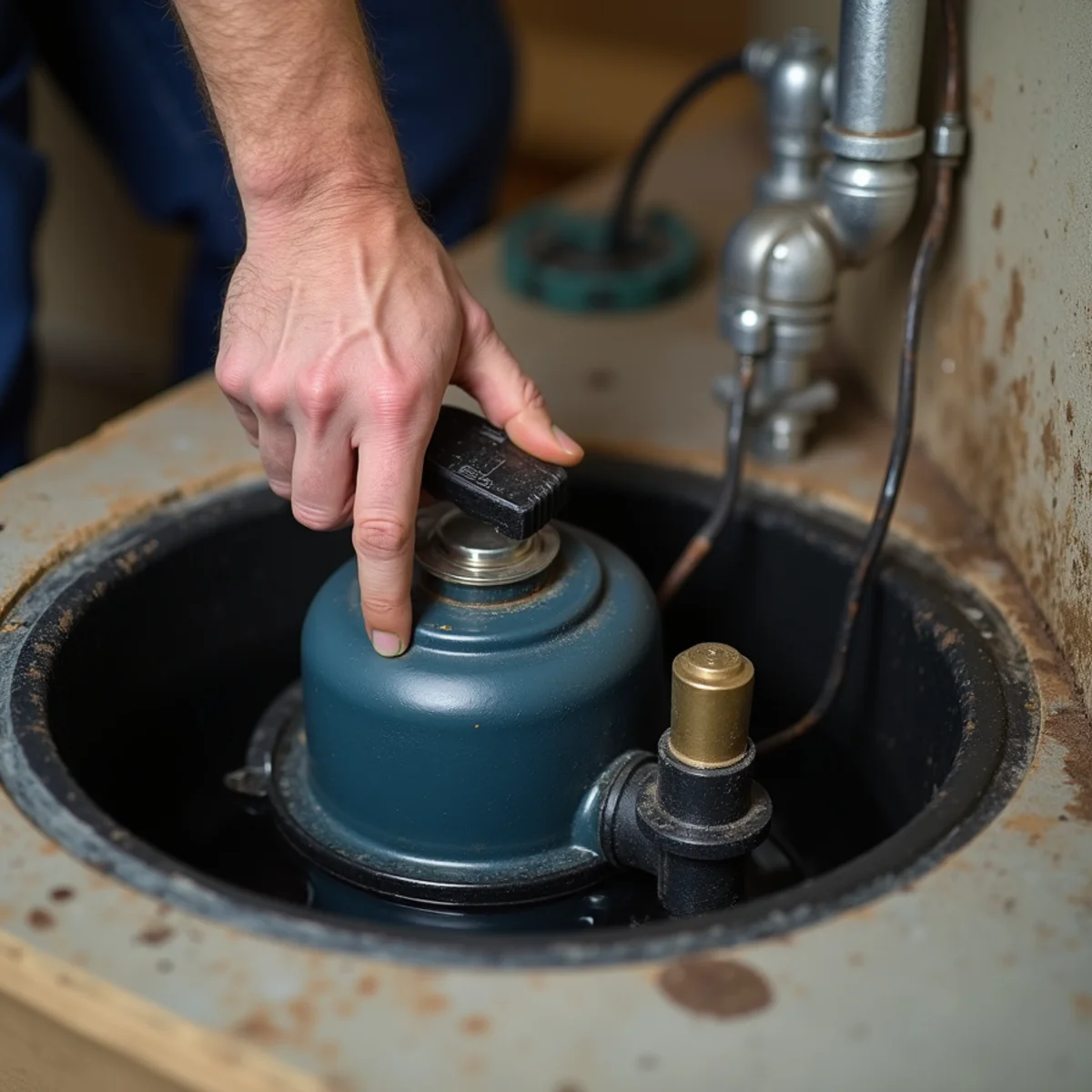
The float switch is the most common failure. It rises with the water and tells the pump to run — but it can get stuck against the basin wall, tangled, or waterlogged. Lift the float by hand: the pump should kick on. If it does not, or the float does not move freely, that is your problem.
3. Pour water in and watch it cycle
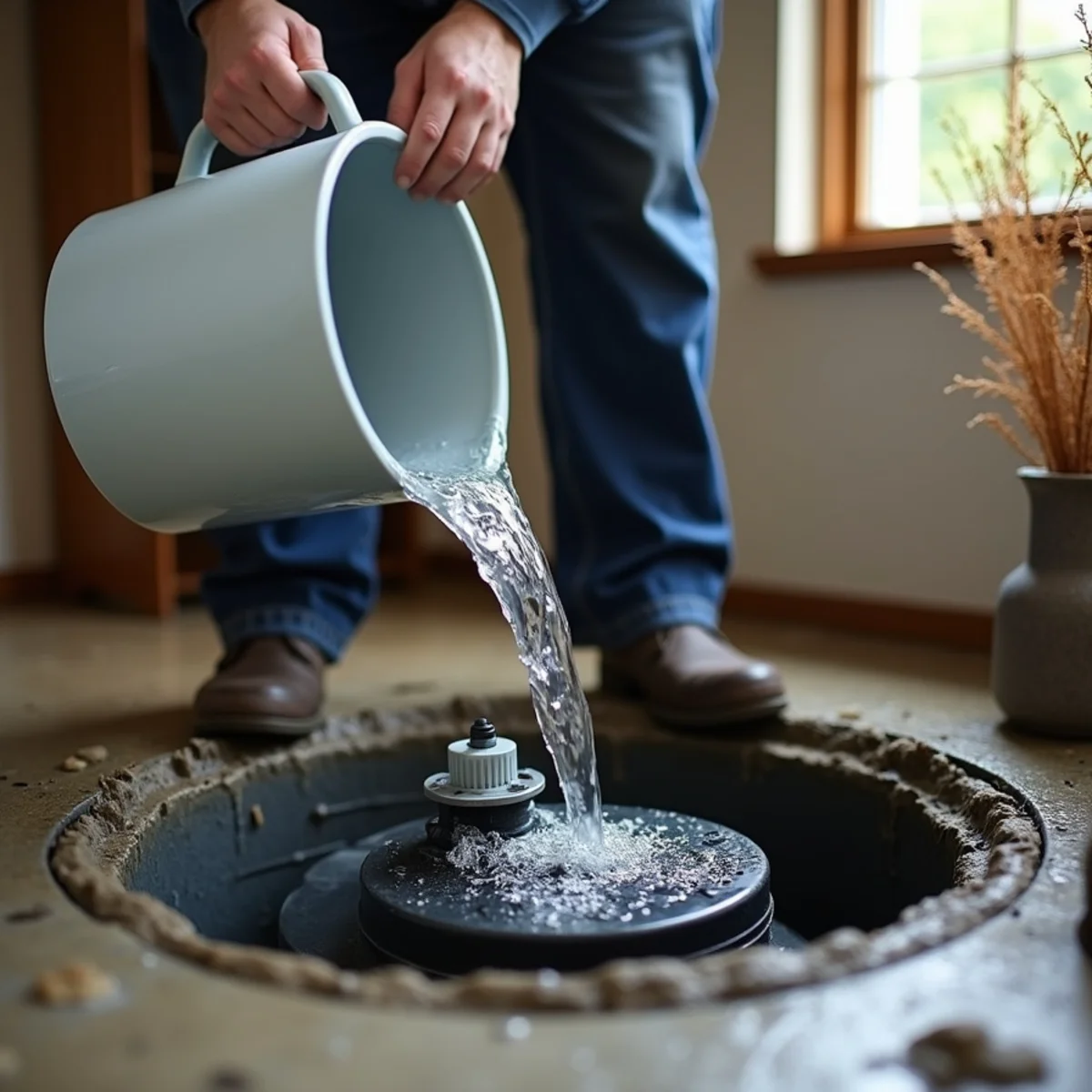
The real test: pour a few buckets of water into the basin until the float rises. The pump should turn on, pump the basin down, and shut off cleanly. If it runs but does not lower the water, the impeller may be jammed or the discharge blocked. If it does not turn on at all, it is the switch or the pump.
4. Inspect the check valve
The check valve on the discharge pipe stops pumped water from flowing back into the basin. If it has failed, the pump short-cycles — running, then refilling from its own backflow, running again — which wears it out fast. Listen for water falling back after the pump shuts off; that is a failed check valve.
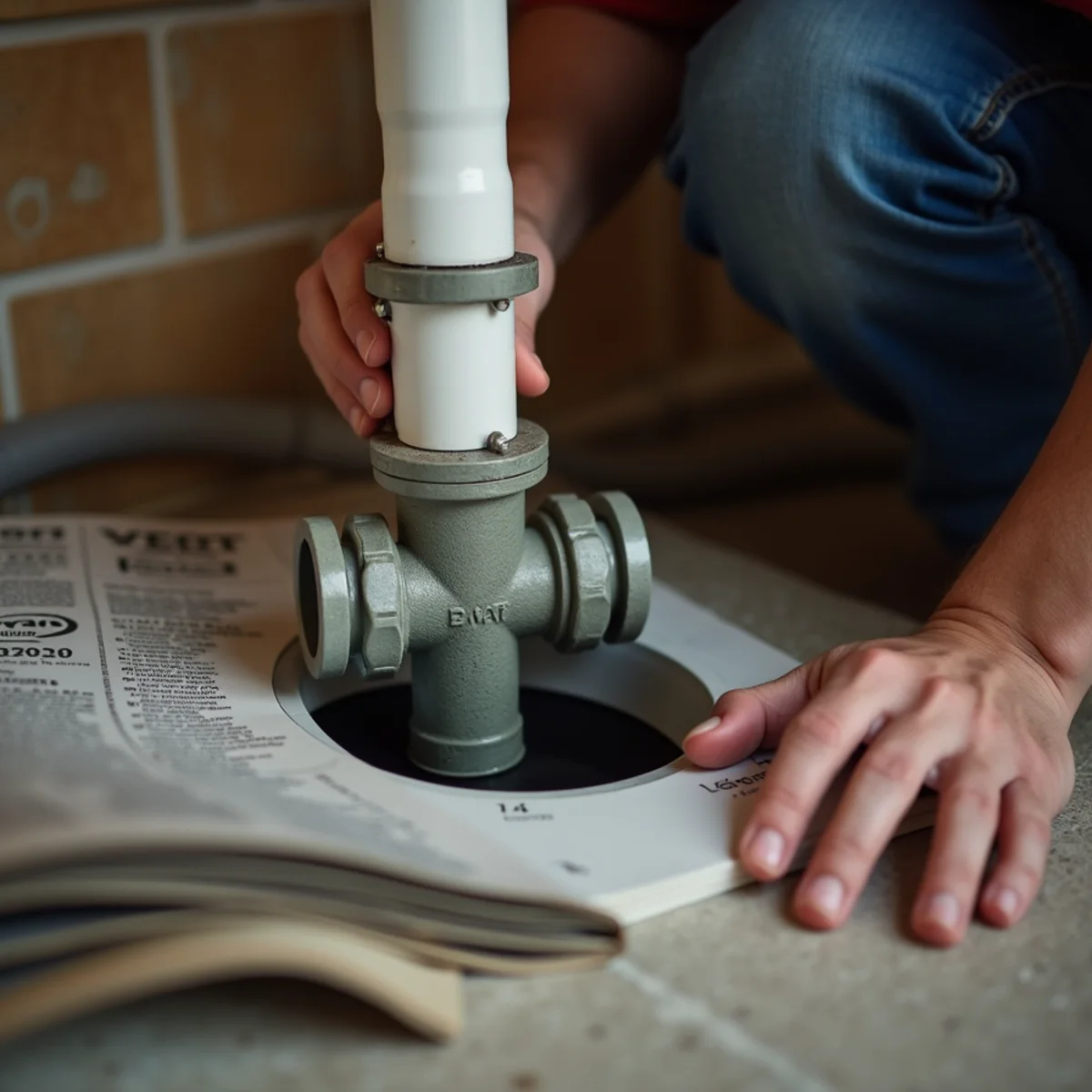
5. Check the discharge line
Follow the discharge pipe to where it exits. A line that is blocked, crushed, or — in a New Jersey winter — frozen will stop the pump from moving water no matter how well it runs. Make sure the outside discharge point is clear and directs water away from the foundation, not back toward it.
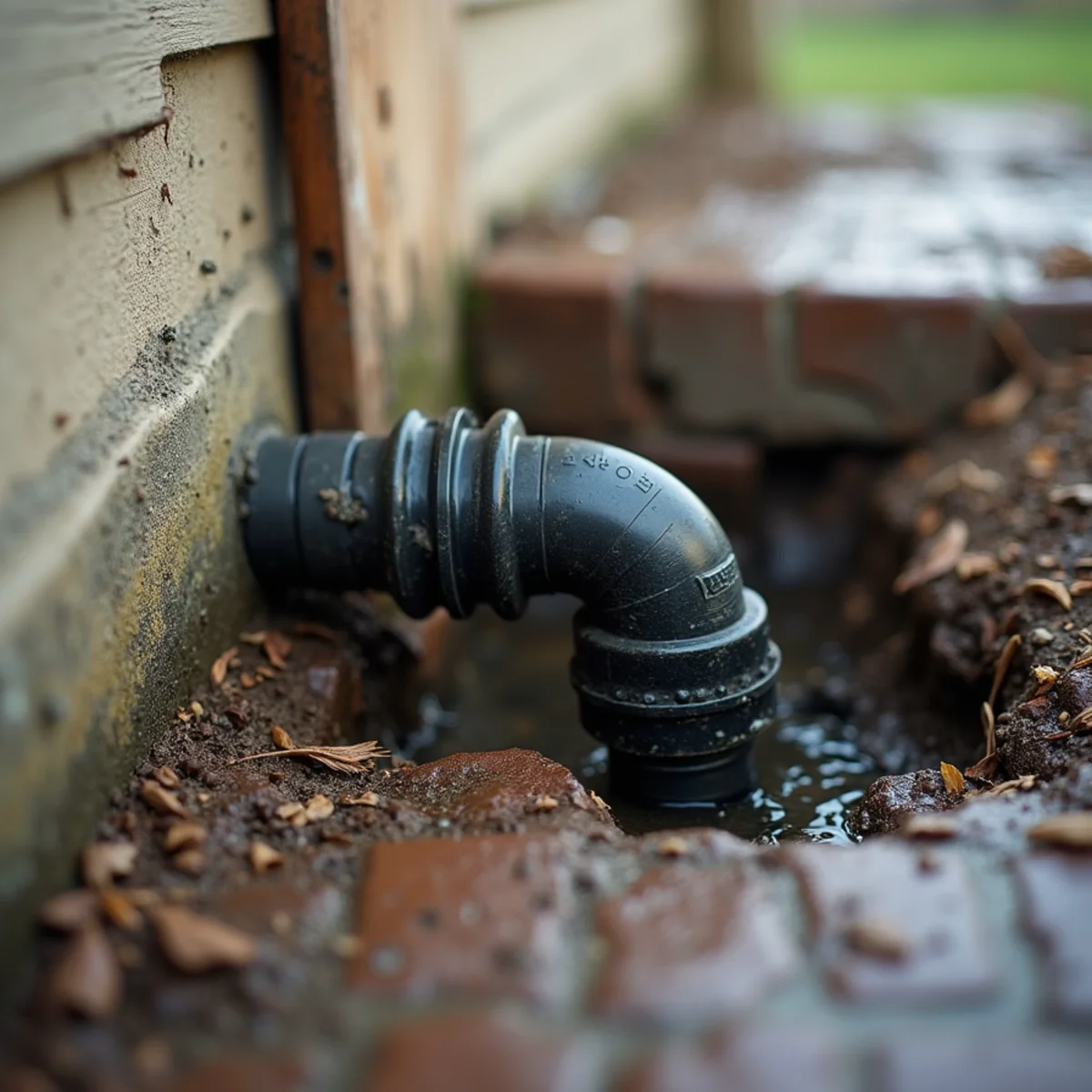
6. Clean the basin
Debris, gravel and silt in the basin can jam the impeller or foul the float. Clear anything you can see. A dirty basin is a common cause of a pump that hums but does not move water.
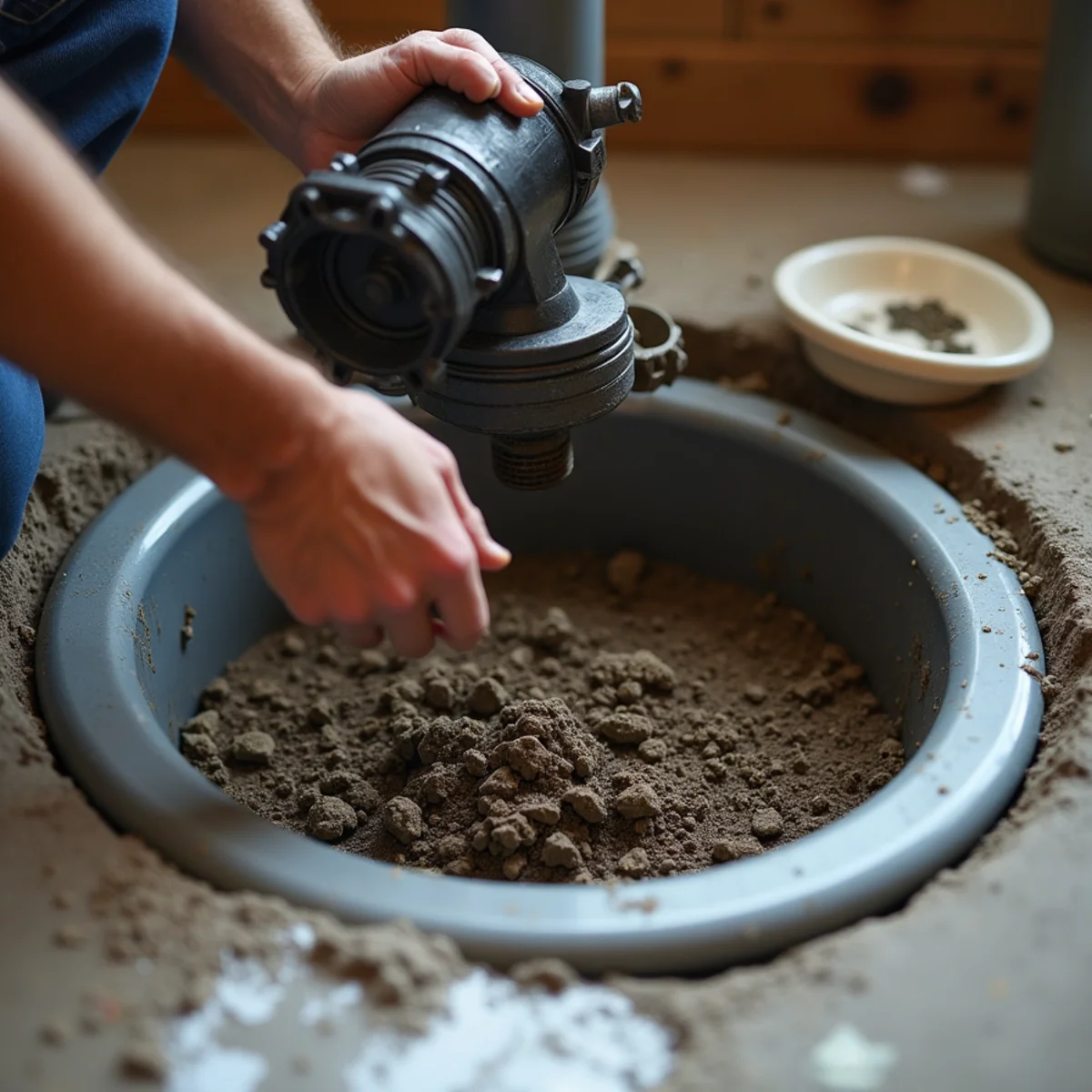
7. Note the age and listen for grinding
Most primary sump pumps last about 7 to 10 years. If yours is at or past that, and especially if it grinds, rattles or vibrates hard, plan to replace it proactively rather than gamble on the next storm. A pump that has been running often — as many do in the Rahway basin — wears out on the shorter end of that range.
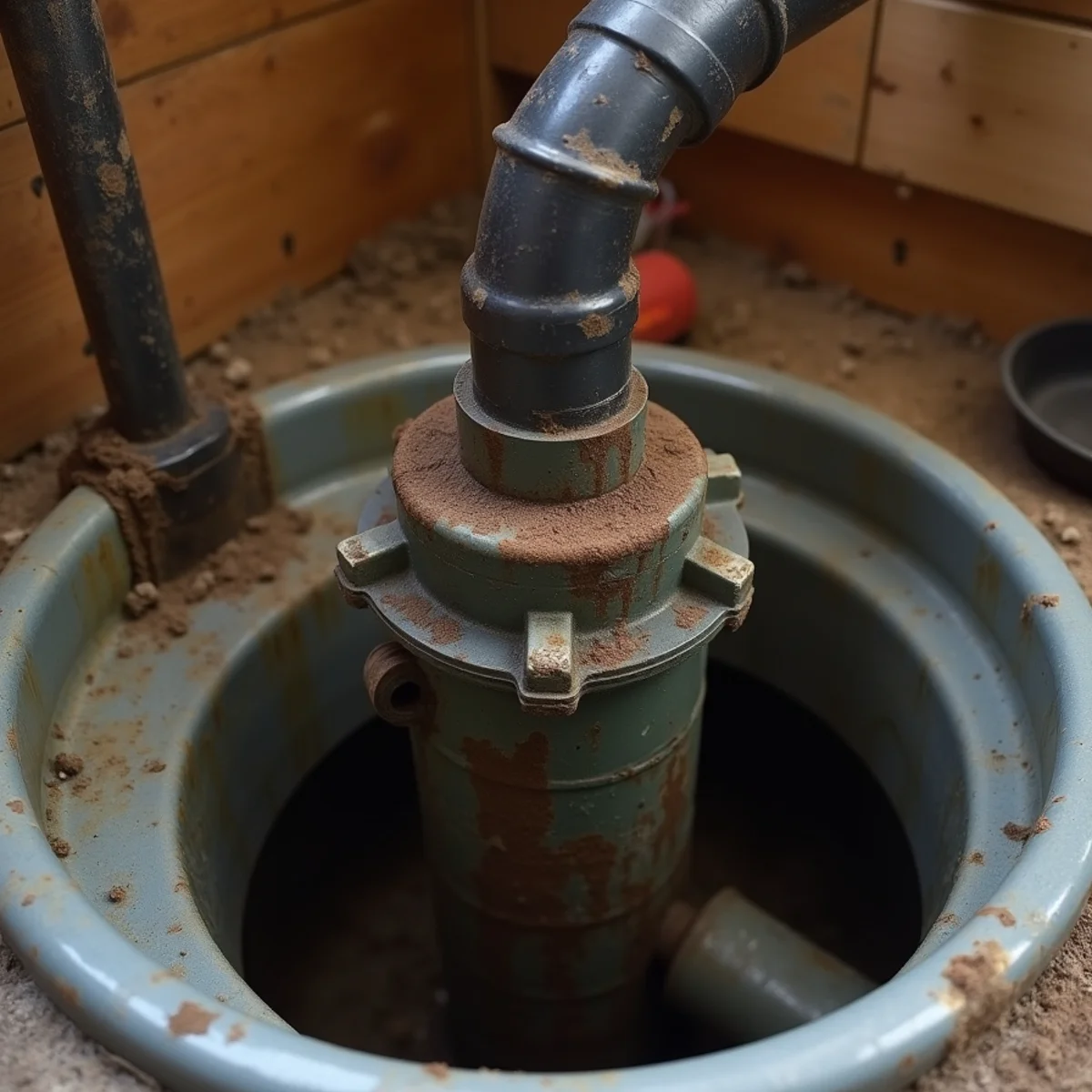
The upgrade that matters most: a backup
Even a perfect pump fails when the power goes out — which is exactly what happens in the storms that matter. A battery or water-powered backup pump keeps working when the primary cannot. If your Springfield or Cranford basement has ever taken on water, a backup is the upgrade we recommend first, because the primary pump’s most likely failure is a power outage during the very storm you need it.
When to call
If your pump fails these checks, is past its service life, or your basement is actively taking on water, call Hydrosphere Plumbers at (858) 363-8298 — we answer 24/7 and handle failed pumps during storms. We can test, repair or replace your pump and size a backup system to your basin before the next heavy rain.