
Seasonal
Winter Plumbing Checklist for New Jersey Homes
By Hydrosphere PlumbersNovember 4, 2026 6 min read
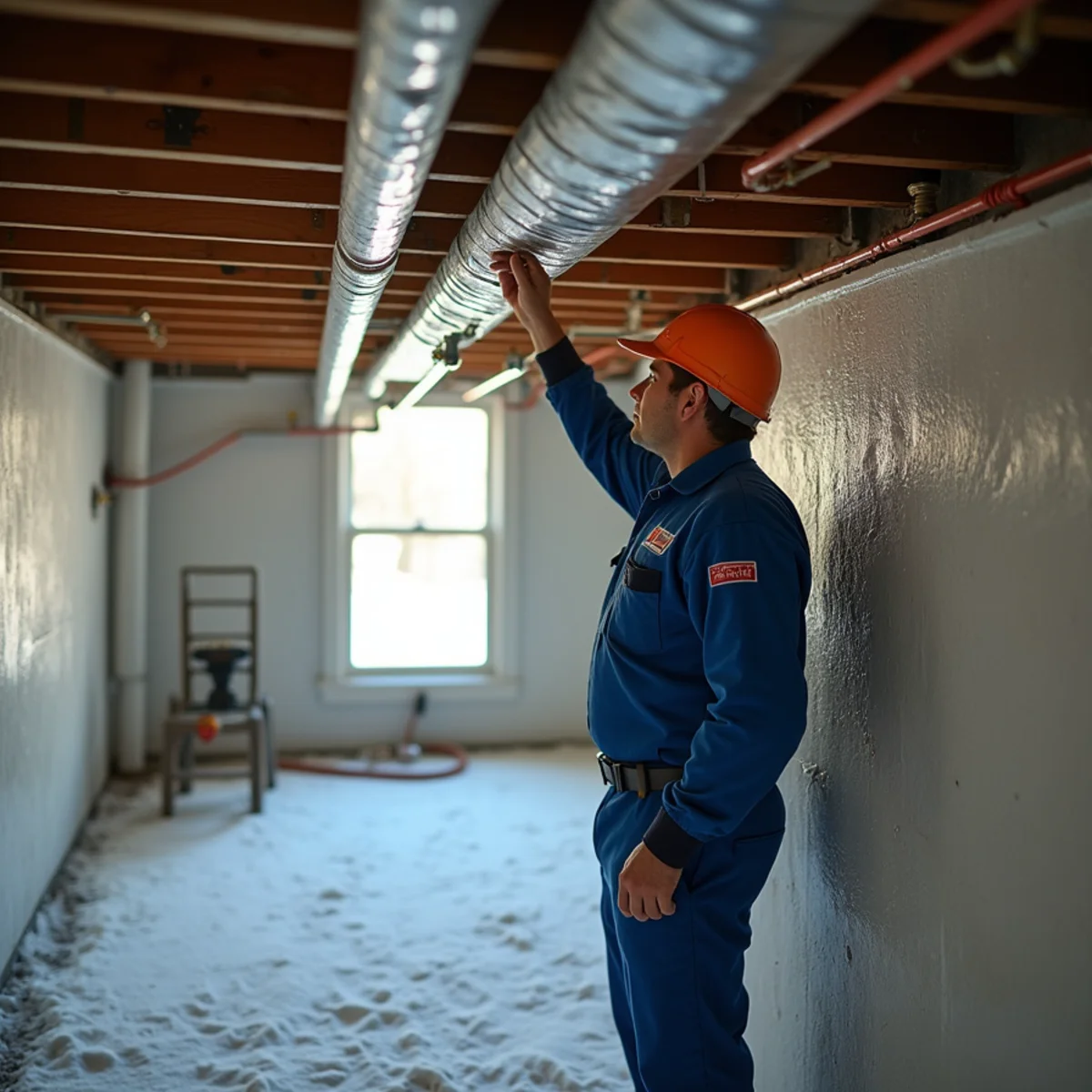
To winterize your New Jersey home’s plumbing, disconnect and drain outdoor hoses and shut off/drain hose bibs, insulate pipes in unheated spaces (crawlspaces, garages, exterior walls), seal drafts near those pipes, know where your main shut-off is and confirm it works, keep the heat at a steady temperature, and during a hard freeze let vulnerable faucets drip and open cabinet doors under sinks. Test your sump pump too, since winter storms and thaws still bring water.
In New Jersey, the single most common winter plumbing emergency is a frozen pipe that bursts — and in hillside towns like Mountainside, with pipes running through exposed and unheated spaces, it is especially common. Almost all of it is preventable with an hour of work before the first hard freeze. Here is the checklist.
Outdoor: hoses and hose bibs first
- Disconnect every garden hose — a connected hose traps water that freezes back into the spigot and splits the pipe inside the wall.
- Shut off the interior valve that feeds each outdoor hose bib, if you have one, and open the spigot to drain it.
- If you have older, non-frost-free spigots, this is the year to replace them with frost-free sillcocks pitched to drain.
- Drain and shut off any irrigation system per its instructions.
Insulate the vulnerable runs
Cold reaches pipes in unheated and exposed spaces first: crawlspaces, garages, attics, and pipes running through or against exterior walls. Fit foam pipe insulation over those runs — it is inexpensive and takes minutes. Pay special attention to any pipe you know has frozen before; that spot will freeze again if nothing changes.
Seal the drafts
Insulation slows heat loss, but a draft blowing cold air directly onto a pipe defeats it. Seal gaps where pipes pass through exterior walls, around rim joists in the basement, and where cold air gets into crawlspaces. Caulk and expanding foam on the drafts near your pipes do as much as the insulation itself.
Know your main shut-off — and make sure it works
The most important thing you can know in a burst-pipe emergency is where the main shut-off is and that it actually turns. In most older Westfield-area homes it is in the basement, on the wall facing the street, near the meter. Test it now: if it is stuck, or leaks when you touch it, have it replaced with a quarter-turn valve before winter — not during the emergency it is meant for.
Keep the heat steady
Set your heat to a consistent temperature day and night during cold spells — do not let it drop far at night or while you are away. If you travel, keep the heat on (a common insurance condition, too) and consider having someone check the house. Open interior doors to let warm air circulate to colder rooms.
During a hard freeze
- Let faucets on vulnerable pipes drip slightly — moving water is far less likely to freeze.
- Open cabinet doors under sinks on exterior walls so household heat reaches the pipes.
- Keep the garage door closed if water lines run through it.
- If a faucet stops running, suspect a freeze starting — open it and gently warm the pipe (never with a flame).
Don’t forget the sump pump
Winter is not only about freezing — thaws and winter storms still bring water. Test your sump pump before the season (pour water in and confirm it cycles), make sure the discharge line is clear and not prone to freezing, and confirm any battery backup is charged. A frozen discharge line is a winter-specific way for a good pump to fail.
If a pipe freezes or bursts
If a pipe freezes, shut off the water to that line, open the nearest faucet, and thaw gently — never with an open flame. If it has already burst, shut off the main and call for help. Hydrosphere Plumbers answers 24/7 at (858) 363-8298, serving Westfield, Mountainside and the surrounding towns. Our step-by-step burst-and-frozen-pipe guide covers the emergency in detail.